Reverse Mortgage: A Smart Retirement Income Solution for Senior Homeowners
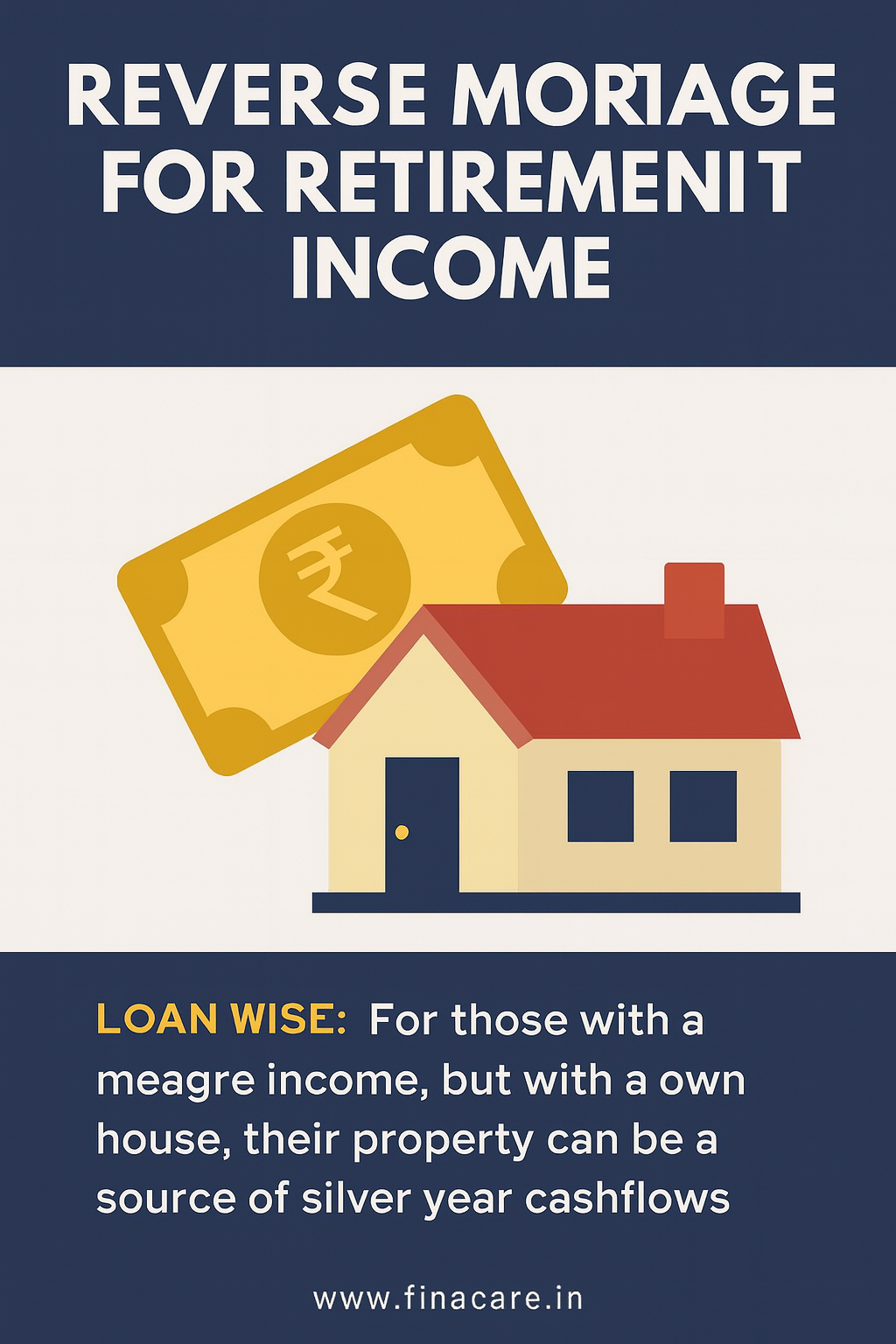
Financial security during retirement often becomes a challenge for many Indians, especially those who have no pension or have exhausted their savings on family needs, medical expenses, or children’s education. For retirees who own a house but have limited income, a reverse mortgage loan (RML) can be one of the most powerful yet under-utilised financial tools.
A reverse mortgage allows senior citizens to convert the value of their home into a steady monthly income while continuing to live in the property for life. Unlike traditional loans, there are no EMIs, and repayment happens only after the borrower passes away or permanently moves out.
This makes RML an effective instrument to create silver-year cashflows and support a comfortable, independent retired life.
What Is a Reverse Mortgage?
A reverse mortgage is a loan offered to senior citizens aged 60 and above against their self-occupied residential property. Instead of paying the bank, the bank pays the homeowner, either monthly, quarterly, annually or as a lump sum.
The loan is settled only later—usually when the property is sold by the legal heirs or by the bank, depending on the arrangement.
✔ Key Highlights
- Tenure: 10–20 years (living-right available for life)
- No EMI payable
- You continue to live in the house
- Loan repaid via sale of property after borrower’s lifetime
- Total loan includes periodic payments + accrued interest
Banks offering reverse mortgages include SBI, Canara Bank, Bank of Baroda, PNB, LIC Housing Finance, and others.
Eligibility Rules: What Retirees Should Know
Before applying, ensure:
- The property must be self-acquired (purchased or inherited).
- Title deed should be clear, with the applicant as the rightful owner.
- The property should be within India and free from disputes.
- Co-applicants (spouse above 58 years) can also be included to secure lifetime residence.
The bank assesses the market value of the home and typically lends up to 60% of the property value, depending on age and property condition.
How Much Income Can You Expect?
Reverse mortgages are designed to deliver steady monthly payouts to the homeowner.
For example:
If a property is valued at ₹75 lakh, the bank may offer a loan of around ₹36–40 lakh spread across 15 years.
Depending on the loan structure:
- Monthly payout may range between ₹16,000–₹25,000
- Interest accrues but is not payable by the borrower during their lifetime
Once the borrower passes away or moves into assisted care, the bank will inform the heirs.
Heirs can:
- Repay the loan and reclaim the property, OR
- Allow the bank to sell the house and return any surplus amount to the family.
What Happens After Installments Stop?
Many banks offer income for 10–20 years. Even after payouts end, the borrower can continue to stay in the home for life.
The loan amount will keep accruing interest until settlement.
This ensures:
- No risk of eviction
- No pressure of monthly repayments
- Complete ownership of the house until the borrower’s lifetime
Why Reverse Mortgage Makes Sense Today
With rising life expectancy, inflation, and limited pension coverage, many senior citizens struggle to maintain their lifestyle after retirement.
Reverse mortgage provides:
✔ Financial independence
✔ Stability without burdening children
✔ Regular income for medical & living expenses
✔ Ability to stay in your own home
✔ No repayment obligation during lifetime
It is especially beneficial for senior citizens who:
- Rely only on savings
- Don’t have a monthly pension
- Own a property but need liquidity
- Live alone and prefer financial autonomy
Tax Benefits
Under Section 10(43) of the Income Tax Act,
???? Reverse mortgage payouts are NOT taxable, as they are considered loan receipts—not income.
This makes RML an excellent tax-efficient retirement income tool.
Finacare Insight: Should You Opt for a Reverse Mortgage?
At Finacare, we believe reverse mortgage is a practical, low-risk, high-benefit option for those who have a home but limited pension income.
However, consider these points before choosing it:
Go for Reverse Mortgage if:
✔ You want monthly income without selling your home
✔ Your children are financially independent
✔ You want to reduce dependence on family
✔ You have rising medical costs
✔ You want lifelong living rights
Avoid It if:
✖ You plan to leave your home to heirs who strongly want to retain it
✖ You expect to move frequently
✖ Your property has unclear ownership
Final Thoughts
Reverse mortgage is a highly underrated retirement strategy in India. With rising costs of living and medical care, unlocking property value without giving up ownership offers retirees the dignity and comfort they deserve.
For Indian families planning long-term financial security, it may be time to relook at reverse mortgages not as a last-resort option, but as a smart, respectable, and tax-friendly income solution.